The situation
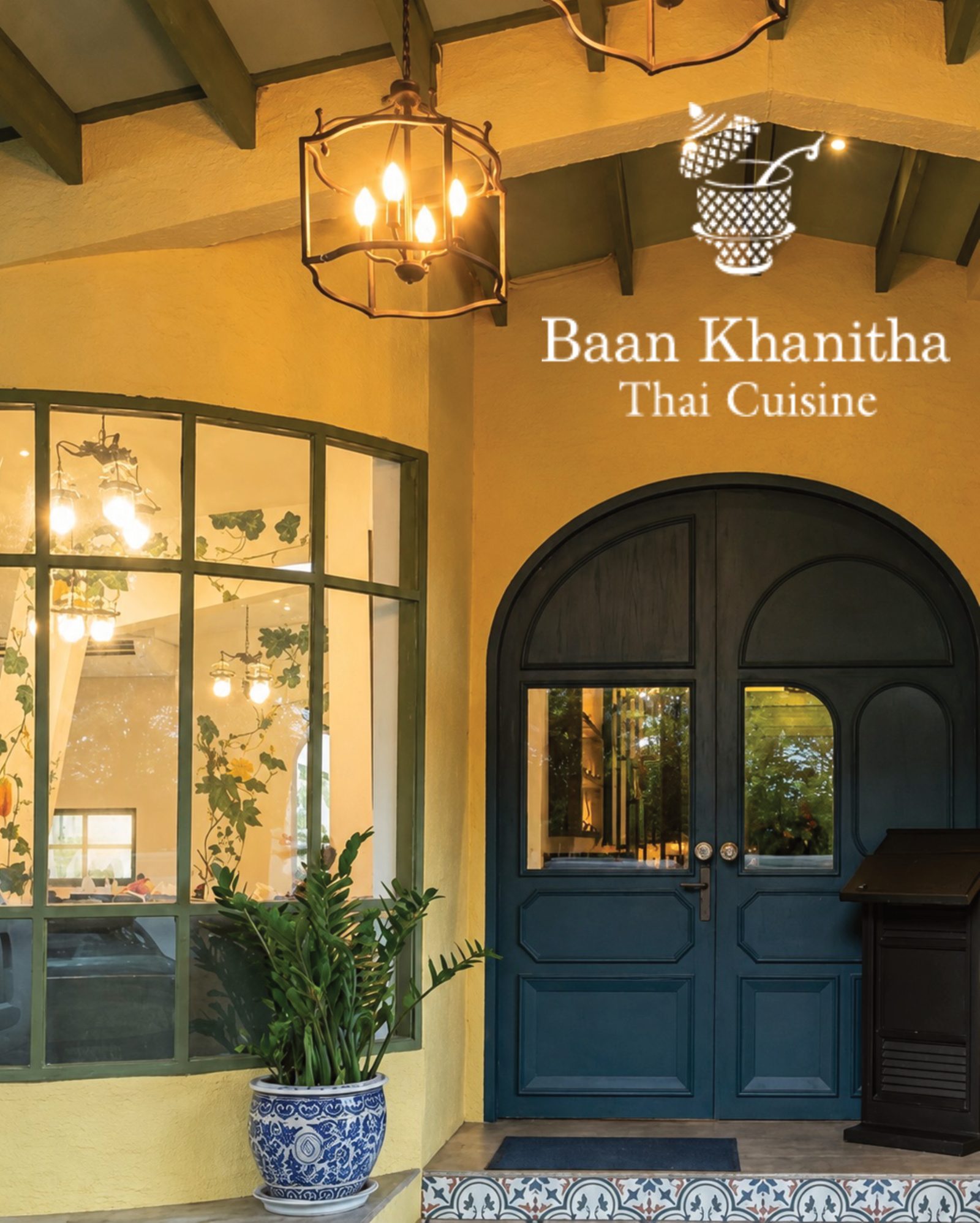
The restaurant is known for its atmosphere and its food, so the website had to reflect that experience while making it easy to see the menu and find the way there.
The project took 2 months, and we handled the UX/UI design and the website development.
What we noticed
Most people opening a restaurant website are deciding where to eat, and many are on a phone. That means the menu, locations, opening hours and booking must be found at once.
At the same time, a dry page of facts would clash with what the restaurant is. So we aimed for a site that feels like being welcomed.
What we decided, and why
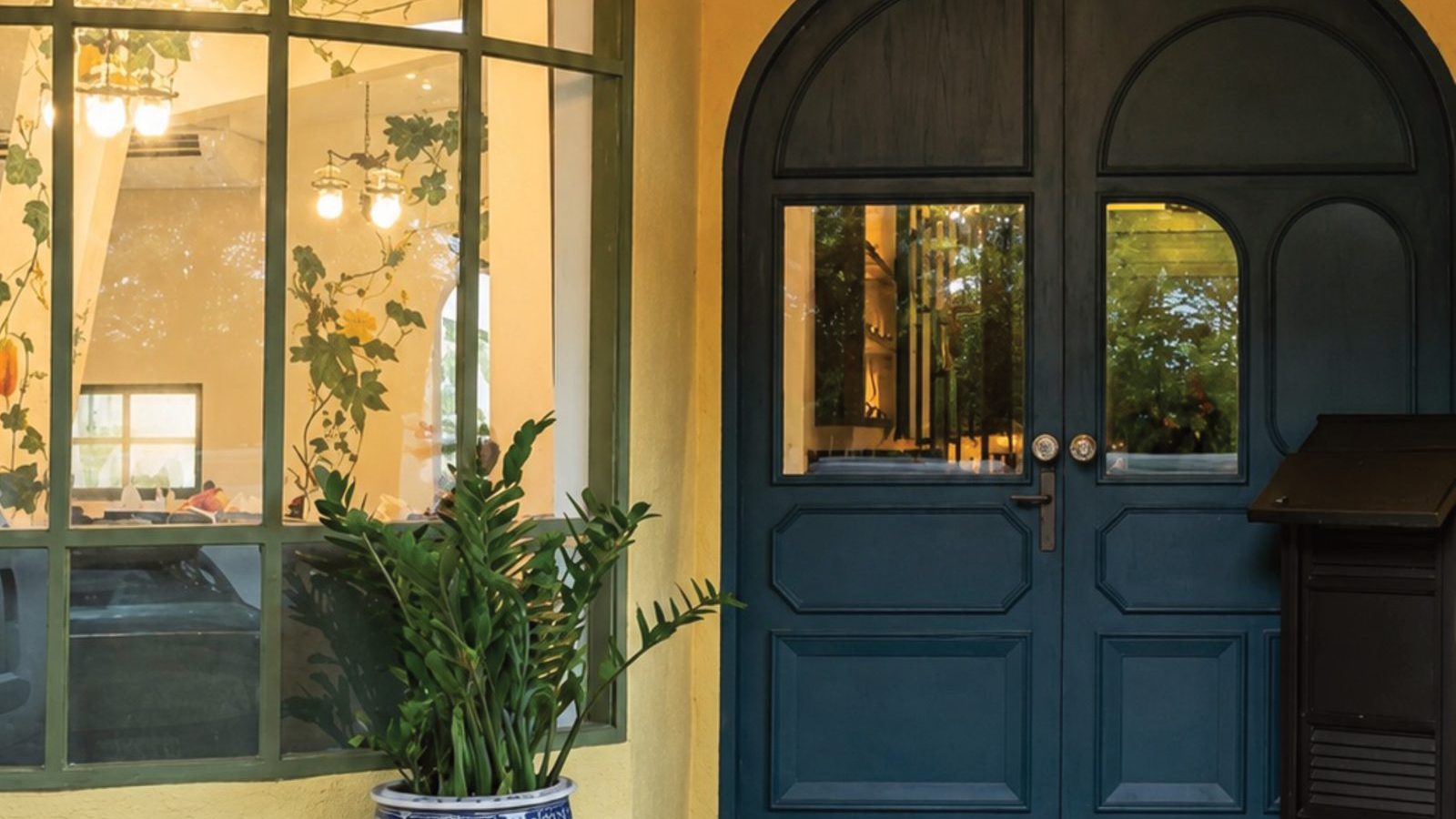
We designed around the restaurant's own character, using refined typography and a warm palette to tell the story of the food and Thai culture, but kept the structure simple. A beautiful site where nobody can find the menu does not help anyone choose to come.
We also decided the restaurant's team should be able to edit menus and branch details themselves, since those change most often and should not wait on anyone.
A good restaurant website makes a person on a phone feel welcomed and puts the menu in front of them within seconds.
How the work ran
We started by talking with the restaurant team about the occasions guests visit for and what the site should answer first, then set the scope and the way success will be judged. Next we designed wireframes and the visual interface so the menu, locations and booking are found at once, while keeping the warm feeling of the restaurant.
In development we made the site quick on mobile and working on every device. Before launch we tested across devices and browsers and checked the SEO basics for local search.
- Talk with the team about visit occasions and the first question the site must answer
- Design wireframes and the visual interface
- Build for speed on mobile, with content the team can edit
- Test across devices, check SEO basics, then launch
What we delivered
The result is a website whose imagery and layout echo the dining experience, with refined typography, a warm palette, storytelling about the cuisine and heritage, and a clearly presented menu.
Visitors see location, hours and contact details at a glance and have an easy path to book a table. The site is fast on mobile, the team can update the content, and SEO foundations for local search are in place.
Lessons for restaurants
This section is general advice, not project fact. Open your own restaurant site on a phone and time how long it takes to find the menu, the opening hours and the booking button. If you have to hunt, there is room to improve.
Atmosphere does not need heavy effects. Photos that tell something true, type that is comfortable to read and colours used consistently are enough to give a site character.
- Test on a real phone first, because that is where most guests look
- Keep menu, branches, hours and booking visible from the home page
- Choose Thai and Latin type that reads easily and a palette that fits the room
- Let staff edit menus and branch details so old information never lingers
Key takeaways
- People on a restaurant site are usually deciding where to eat, often on a phone
- Menu, locations, hours and booking must be found immediately
- Atmosphere comes from photos, type and colour, not from effects
- Frequently changing details such as menus and branches should be editable by staff
- Basic local SEO helps nearby diners find the site
FAQ
Related services
Have a project like this in mind?
Tell us where you are today and we will suggest a sensible first step, with no obligation.
Talk to us